Commercial Moves in Clapham
When a business is planning a move, there is more involved than boxes and vans. There are schedules to protect, staff to coordinate, equipment to pack safely, and often customers or tenants to work around. That is why Commercial Moves in Clapham need a practical, organised approach that understands both the pace of business and the realities of working in South London. Whether you are relocating a small office, a retail unit, a studio, a shared workspace, or an entire commercial premises, the right moving team can make the process far smoother and far less disruptive.
Clapham is a busy and varied area, with everything from high street shops and independent cafés to professional offices, creative studios, clinics, and hospitality businesses. It also has a mix of Victorian terraces, converted buildings, apartment blocks, and commercial spaces tucked into busy roads and mixed-use developments. That variety is great for local business, but it can make moving more challenging. Narrow roads, limited loading space, peak-time congestion, stair access, and parking restrictions are just some of the factors that need to be taken into account before moving day.
If you are planning a business relocation, fit-out move, office clearance, or equipment transfer, it helps to work with a local team that understands the area and can plan around those details. From careful packing to transport planning and on-site coordination, a well-managed commercial removal service can help keep your operations moving with minimal downtime. Contact us today to discuss your move and request a free quote tailored to your needs.
Why Commercial Moves in Clapham Need a Local Approach
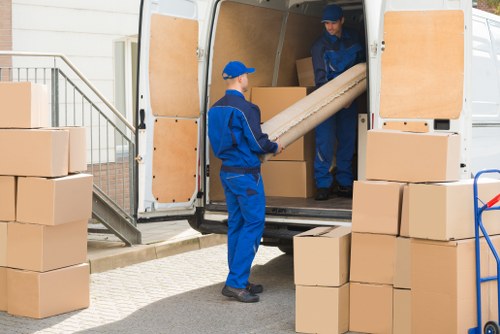
Commercial relocations are rarely straightforward, and local knowledge matters. Clapham’s streets can be busy at nearly any time of day, especially around main routes, transport hubs, and popular neighbourhood spots. A local moving team is more likely to understand the best times to arrive, how long loading may take, and where access may be limited. That kind of familiarity can save time and reduce stress on moving day.
Businesses in Clapham often operate in buildings with shared entrances, upper floors, tight stairwells, or restricted lift access. In some cases, premises are part of larger residential blocks or heritage properties where care is needed to avoid damage to common areas. A team experienced in commercial removals knows how to protect floors, manage heavier items, and work efficiently without disrupting neighbours, staff, or customers.
There is also the question of continuity. A commercial move is not just about transporting items from one place to another; it is about keeping the business functioning as much as possible. From moving outside trading hours to phasing the relocation in stages, a local service can be shaped around your timetable. That is especially important for businesses that serve customers daily, including salons, practices, retailers, cafés, offices, and small agencies.
Types of Commercial Moves We Support

Every business move is different, and a reliable commercial removals service should be able to adapt to the shape and size of the job. In Clapham, that might mean helping a single office team move to a nearby workspace, or assisting a larger organisation with a full relocation. It may involve specialist packing, dismantling furniture, handling IT equipment, or coordinating several trips across different sites.
Common types of commercial moves include:
- Office relocations for small teams, shared offices, and multi-room premises
- Retail moves for shops, showrooms, boutiques, and pop-up units
- Hospitality moves for cafés, restaurants, bars, and food preparation businesses
- Clinic and practice moves for healthcare, therapy, beauty, and wellness premises
- Studio and creative space moves for design teams, photographers, and makers
- Warehouse and stock moves for inventory, shelving, and commercial storage items
- Internal business moves for reconfiguring workspaces within the same building
In some cases, businesses only need help with one part of the process, such as moving archived files, transporting bulky furniture, or clearing redundant equipment. In others, a full-service move may be the best option, covering packing, loading, transport, unloading, and placement at the new site. The benefit of a flexible service is that you can choose exactly the level of support your business needs.
What Is Included in a Commercial Removal Service

A well-organised commercial move should feel structured from the beginning. It usually starts with understanding what needs to move, when the move needs to happen, and what access is available at both properties. From there, the team can plan the best approach, the likely vehicle size, packing requirements, and any special handling needs. This planning stage is often what makes the biggest difference to efficiency on moving day.
Typical inclusions in business removals may cover:
- Pre-move planning and scheduling
- Packing of office contents, stock, or equipment
- Labelled boxes and organised item grouping
- Protective wrapping for furniture and fragile items
- Dismantling and reassembly of desks or workstations
- Safe loading and transport
- Careful unloading at the destination
- Placement of items into the correct rooms or zones
- Waste removal or clearance of unwanted items, if requested
Depending on the nature of your business, extra care may be needed for computers, monitors, printers, archives, confidential paperwork, display units, specialist machines, or stock that must remain clean and dry during transit. It is always worth explaining these details early so the service can be tailored properly. That helps avoid delays and reduces the risk of damage or confusion when the team arrives.
Useful Add-On Support for Busy Businesses
Some companies need more than a standard move. They may need help preparing for a refurbishment, clearing old furniture before new items are delivered, or moving departments in stages to keep operations open. Others may require secure handling for sensitive records or careful transport for equipment that is expensive, heavy, or awkward to carry. A local commercial moving team can often provide a practical solution for these situations without turning the move into a major disruption.
How the Moving Process Typically Works

A smooth business relocation usually follows a clear sequence. The exact steps will depend on the size of the move, but the process is generally designed to keep things simple and organised. The more information shared in advance, the better the team can prepare and reduce surprises on the day.
1. Initial enquiry and move details
Start by explaining what you need moved, where the business is moving to, and your preferred timing. It helps to mention floor levels, access points, parking issues, lift availability, and whether there are any fragile or bulky items.
2. Planning and scheduling
The move can then be arranged around your operational needs. Some businesses prefer early starts, evening moves, or weekend relocation to keep interruption to a minimum. If your trade relies on customer visits, this stage is especially important.
3. Packing and preparation
Depending on the service you choose, packing may be handled by the moving team or managed in-house by your staff. A good plan should make clear which items are boxed, which are dismantled, and which items require special handling.
4. Moving day execution
On the day itself, the team should work methodically, protect the premises, and load items securely. Heavy or awkward items are usually moved first, followed by boxed contents, furniture, and smaller essentials.
5. Delivery and placement
At the new property, items are unloaded and taken to the correct area so your team can get set up quickly. For many businesses, this structured approach is what reduces downtime and helps staff resume normal work sooner.
Why Clear Labelling Matters
Good labelling saves time, especially when a business has multiple rooms, departments, or workstations. Marking boxes by zone, person, or item type makes unpacking much easier. It also helps avoid the common problem of important items being placed in the wrong room and then needing to be moved again later.
Preparing for a Commercial Move in Clapham

Preparation is one of the most important parts of any office or business relocation. Clapham’s mix of busy roads, mixed-use buildings, and varied property layouts means it pays to plan ahead. Even a smaller move can become complicated if access, parking, or access times are left until the last minute. A simple checklist can help keep everyone on track.
Preparation checklist for businesses:
- Confirm the move date and preferred time window
- Check access arrangements at both properties
- Reserve parking or loading space where possible
- Identify items that need special handling
- Back up digital files and secure sensitive information
- Decide what should be moved, stored, reused, or discarded
- Inform staff about packing duties and responsibilities
- Label boxes and equipment clearly by area or department
- Disconnect any equipment safely before the team arrives
- Keep essential documents and daily-use items separate
It can also help to nominate one person to oversee the move on behalf of the business. That gives the movers a clear point of contact and makes decisions easier if questions arise. For larger companies or shared offices, having one coordinator can prevent confusion between departments and keep the relocation moving in the right order.
What Staff Should Keep Ready
Many businesses find it useful to prepare a small “first day” box or set of essentials. This might include chargers, stationery, keys, access cards, cleaning supplies, kettle items, or a few basic tools for setting up desks. Keeping these items easy to find can make the first day in the new premises feel far more manageable.
Access, Parking, and Property Challenges in Clapham
Clapham is a popular and busy part of South London, which makes it a strong place to do business, but also a place where moving logistics need careful thought. Parking restrictions can be tight, streets can fill quickly, and access can vary depending on the type of building. Local moving teams are often better prepared for these realities because they work in and around the area regularly.
Some of the practical issues that commercial customers commonly face include:
- Narrow roads or limited space for larger vehicles
- Restricted loading bays or short loading windows
- Top-floor offices or premises without a lift
- Shared entrances that require care and coordination
- Mixed-use buildings with residential neighbours
- Heavy foot traffic near busy commercial streets
- Timed access for buildings with concierge or management rules
If your business is located near a station, a main road, or a busy retail strip, the timing of the move may be just as important as the packing itself. A local team can help plan around these practical concerns so the move is more efficient and less disruptive to staff, customers, and neighbours.
It is often the small details that save the most time: knowing where to unload, whether the entrance can accommodate bulky items, and how to protect communal areas. Businesses that plan these details early usually experience a much smoother move than those that leave them until the day itself.
Which Businesses in Clapham Benefit Most?
Commercial moves are relevant to a wide range of local businesses. Clapham has a strong mix of independent traders, professional services, start-ups, and established companies, so moving needs are just as varied. A tailored moving service works best when it reflects the type of business and the items being relocated.
Examples of businesses that often need commercial removals include:
- Solicitors, accountants, consultants, and office-based teams
- Hair and beauty salons relocating to new treatment spaces
- Fitness, wellness, and therapy practices moving equipment and furniture
- Retailers changing premises or refurbishing trading areas
- Cafés and restaurants moving tables, counters, appliances, or stock
- Creative studios handling artwork, props, materials, or technical gear
- Shared workspaces and co-working operators rearranging or relocating units
- Small warehouses and stockrooms needing a structured move
Each of these businesses has different priorities. A retailer may want the move completed outside trading hours. A practice may need privacy and care with paperwork. A studio may need extra protection for fragile equipment. A hospitality venue may need help moving bulky, awkward items safely. A local commercial removals team can adjust the service to suit those needs rather than forcing everything into a standard process.
Residential and Commercial Customers in the Same Area
One thing that makes Clapham distinctive is the close overlap between residential and business spaces. Many local commercial premises sit alongside homes, flats, or shared developments. This means moves often need to be managed with more consideration for neighbours, building rules, and access timing. A team that understands both residential and commercial environments is often better suited to handle those mixed conditions cleanly and respectfully.
Why Choose a Local Commercial Moving Company
There are many reasons local customers prefer working with a team that knows Clapham and the surrounding South London area. Convenience matters, but so does practical know-how. A local company is more likely to understand the flow of the area, the common building layouts, and the access issues that can affect business relocation. That makes it easier to plan accurately and avoid wasted time.
Benefits of choosing a local team include:
- Better awareness of roads, access routes, and busy times
- More practical planning for loading and unloading
- Quicker response for site visits, assessments, and scheduling
- Experience with mixed commercial and residential surroundings
- Flexible support for last-minute changes or phased moves
- Familiarity with local building types and common access limitations
For many businesses, the value of local support is not just about distance. It is about trust, reliability, and the ability to respond to the realities of the move. When time matters, and when disruption has a cost, having a team that understands the area can make a noticeable difference to the overall experience.
Moving with Less Downtime
Downtime can affect revenue, client service, and staff productivity. A well-run commercial move should be built around minimising interruption wherever possible. That may mean moving in stages, preparing equipment in advance, or scheduling the relocation during quieter trading periods. The right approach depends on your business, but the goal is always the same: keep things working while the move takes place.
What Affects the Cost of Commercial Moves in Clapham?
Businesses often want a clear idea of what affects the final quote. While exact prices depend on the job, there are several common factors that shape the cost of a commercial move. Understanding these factors helps you compare quotes more effectively and plan your budget more realistically.
Typical pricing factors include:
- The size of the premises and amount of items to be moved
- Distance between the old and new location
- Number of staff needed for the job
- Whether packing, dismantling, or reassembly is included
- Access issues such as stairs, narrow entrances, or no lift
- Parking or loading complications
- Special handling needs for fragile, heavy, or high-value items
- Timing requirements, such as evening or weekend moves
- Additional services like clearance, storage, or staged deliveries
It is also worth noting that a cheaper quote is not always better if it leaves out essentials. For business customers, clarity matters. You want to know what is included, what is optional, and how the move will be managed from start to finish. A good quote should be based on the real details of the job rather than a rough guess.
Request a free quote if you want a more accurate estimate based on your premises, access, and move requirements.
Practical Tips for a Smoother Business Relocation
Even with professional help, there are steps your team can take to make the move easier. Small actions before moving day often lead to major time savings later. This is especially helpful for local Clapham businesses that need to get back to work quickly.
Helpful move-day tips:
- Keep critical files and devices separate from general packing
- Use colour labels or room names for quick sorting
- Disconnect equipment in advance where safe to do so
- Photograph cable setups if you need them reconnected later
- Clear corridors and entrances before the team arrives
- Tell staff what should be packed, retained, or left accessible
- Make sure the new premises are ready for delivery and placement
For customer-facing businesses, it may also help to schedule the move around quieter trading periods. If your premises are open to the public, plan temporary signage, online updates, or appointment changes in advance so that customers know what to expect. That can reduce disruption and help protect your service levels during the transition.
Keep Essentials Separate
One of the simplest ways to avoid frustration after the move is to keep essentials easy to reach. Keys, access cards, chargers, paperwork, basic tools, and first-day supplies should not be packed away with long-term storage items. A little organisation here can make the first day in the new premises much easier for everyone involved.
Areas Covered Around Clapham
Commercial moves in Clapham often involve nearby parts of South London as well. Businesses may be relocating between neighbouring districts or moving into the area from a nearby commercial hub. A local service can usually support moves across surrounding locations while keeping the process efficient and straightforward.
Areas commonly covered may include:
- Clapham Common
- Clapham North
- Clapham South
- Clapham Old Town
- Battersea
- Balham
- Stockwell
- Wandsworth
- Kennington
- Tooting
- Wandsworth Common
If your move starts in Clapham and ends in one of the surrounding neighbourhoods, it may still benefit from a local team familiar with the area’s roads, access points, and commercial property types. That combination of local knowledge and practical moving support is often what keeps a business relocation running on schedule.
FAQs About Commercial Moves in Clapham
How far in advance should I book a business move?
It is best to book as early as possible, especially if your move needs to happen outside normal hours or during a busy trading period. Early booking also gives more time to plan access, parking, and packing.
Can you help with office furniture and bulky items?
Yes. Commercial removals often include desks, chairs, filing units, shelving, and other larger items. If anything is unusually heavy, awkward, or delicate, it should be flagged in advance so the right handling can be planned.
What if our building has limited parking or loading space?
This is very common in Clapham and surrounding areas. A local team can plan around restricted access where possible, but the details should be shared early so the move can be scheduled efficiently.
Do we need to pack everything ourselves?
Not necessarily. Some businesses prefer to pack in-house, while others want a full packing service. The best choice depends on your time, staff availability, and the type of items being moved.
Can the move be done outside business hours?
In many cases, yes. Evening or weekend scheduling can be helpful for businesses that want to reduce disruption. Availability will depend on the size of the move and the timing required.
What about confidential documents or sensitive equipment?
These should be handled carefully and discussed before the move. Sensitive paperwork and equipment often require separate packing, secure transport, or special labelling so they remain organised and protected.
Do you handle partial moves or phased relocations?
Yes, many businesses prefer staged moves. That can be useful if you need to keep part of the operation running while another section is relocated.
Book Your Commercial Move in Clapham
If your business is preparing to relocate, downsize, expand, or reorganise its premises, a reliable moving service can save time and reduce pressure. The best results usually come from good planning, clear communication, and a team that understands how to work around local access conditions and commercial priorities. That is especially true in a busy area like Clapham, where businesses often operate in mixed-use buildings and busy streets.
From small office transfers to full commercial relocations, the focus should always be on protecting your equipment, keeping your move organised, and limiting disruption to staff and customers. If you want a straightforward, locally informed service, now is a good time to take the next step.
Request a free quote today or book your service now to discuss your move in Clapham and get the process underway. A clear plan today can make moving day much easier tomorrow.
Commercial moves do not need to be chaotic. With the right preparation and local support, your business can relocate with confidence and get back to work faster.