
Clapham Common removals for flats and period homes
Posted on 21/06/2026
Clapham Common removals for flats and period homes: a practical local guide
Moving around Clapham Common can look straightforward from the outside. Then moving day arrives, and suddenly you are dealing with narrow stairwells, awkward parking, a fifth-floor flat with no lift, or a Victorian terrace with a very old front door that seems to open just half an inch too far. That is where Clapham Common removals for flats and period homes become less about simply shifting boxes and more about careful planning, local awareness, and the right approach.
This guide is built for people who want a move that feels organised rather than chaotic. Whether you are leaving a modern apartment off Clapham Common South Side or settling into a period property near the green, you will find the practical steps, common pitfalls, and smart decisions that make the whole process easier. And yes, easier is possible. Not effortless, maybe, but easier.
To help you navigate the details quickly, here is a clear overview of what we will cover.
- Why this kind of move matters locally
- How the moving process usually works
- Benefits and practical advantages
- Who this guide is for
- Step-by-step moving guidance
- Expert tips for a smoother move
- Mistakes worth avoiding
- Tools, resources and recommendations
- Law, compliance and best practice
- Comparison of moving options
- A real-world style example
- Practical checklist
- Conclusion
- Frequently asked questions
Why Clapham Common removals for flats and period homes Matters
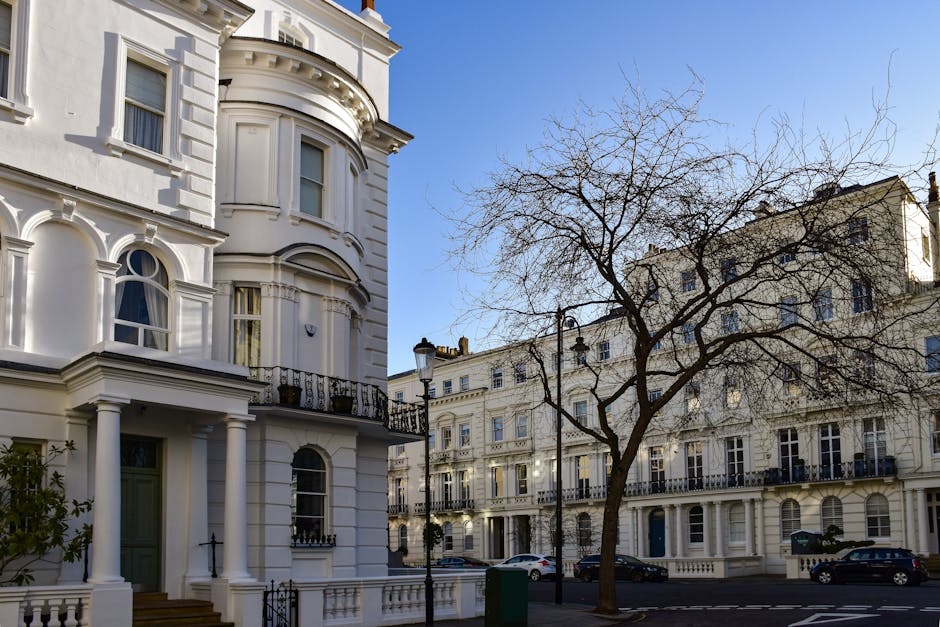
Clapham Common sits in one of those parts of London where housing styles change street by street. You might see a compact top-floor flat above a parade of shops, then a handsome Edwardian house, then a converted mansion block with tight communal hallways. That mix is lovely to live in, but it also means moving day can be full of small complications that do not show up on a standard removals checklist.
The challenge is not just the distance between addresses. It is the building type. Flats often involve shared entrances, controlled access, timed lifts, and parking restrictions. Period homes can be bigger, yes, but they often bring narrow stairs, original features, heavier furniture, and delicate finishes that need more care than a quick lug-and-go approach.
In our experience, the difference between a stressful move and a calm one often comes down to whether the removal team has already thought through those details. Do they know how to protect banisters? Can they handle awkward corners? Will they plan for a longer carry if the van cannot stop outside? These sound like small things until you are standing in the hallway at 8:15 on a wet Tuesday morning wondering where the sofa is going to turn.
If you are still comparing options, it can help to look at the wider service picture first through the services overview and the more general removals in Clapham information. That gives you a better sense of how flat moves, house moves, and specialist item handling fit together.
Key point: moving near Clapham Common is usually less about brute force and more about planning around the building, the street, and the access. That is what saves time, protects belongings, and reduces last-minute headaches.
How Clapham Common removals for flats and period homes Works
A good move starts long before the van arrives. For flats and period homes, the process usually follows the same broad shape, but with a few local adjustments.
1. Assess the property properly
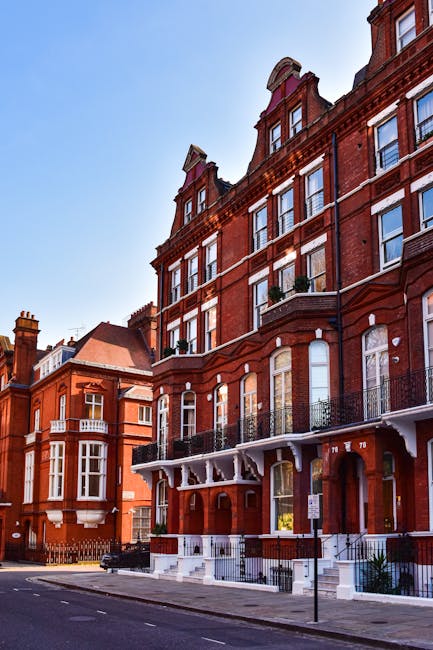
The first step is a sensible look at the property itself. A removal company will usually want to know about floor level, lift access, stair width, parking distance, and whether there are any difficult items such as wardrobes, mirrors, pianos, or large dining tables. If the property is a period home, they will also want to know about tight staircases, low beams, or flooring that scratches easily.
2. Plan the parking and load route
In Clapham Common, parking can be more awkward than people expect. A van may not be able to park directly outside the building, so the route from front door to vehicle matters. That route should be measured in both space and common sense. A thirty-second walk sounds fine until you repeat it twenty times with boxes. Then it is suddenly a lot.
3. Pack by room and fragility
Flats often benefit from compact, clearly labelled boxes. Period homes may require more custom packing around larger furniture and fragile features. If you are not sure where to start, the packing and boxes service can be useful as a practical support point rather than a last-minute panic button.
4. Protect the property as well as the contents
One thing people forget: removals are not only about the stuff you are taking. They are also about protecting the building you are leaving and the one you are entering. Hallways, skirting boards, stair rails, and entryways should all be handled carefully. In older homes especially, minor knocks can be surprisingly expensive to put right.
5. Load in the right order
Heavy and awkward items should go on first, with lighter boxes stacked safely around them. That might sound obvious, but under pressure it is very easy to build the van in the wrong order and then realise your essentials are trapped behind a sofa and three boxes labelled "misc."
6. Unload with the destination in mind
A proper removal service will not just drop everything in the hallway and call it done. The best approach is to place key items in the right rooms so you can start settling in straight away. That matters even more if you are moving into a period property with multiple reception rooms or a flat where every square metre counts.
Key Benefits and Practical Advantages
The benefits of using a removal service tailored to Clapham Common properties are both obvious and subtle. Some are about speed. Others are about not ending the day with a sore back and a broken lamp.
- Better handling of difficult access - Flats above shops, basement apartments, and older staircases all need different handling.
- Reduced risk of damage - Good packing, padding, and route planning protect both furniture and the property itself.
- More realistic timings - An experienced team allows for parking, carrying distance, and building access.
- Less stress on moving day - That alone can be worth a lot. Truth be told, moving is rarely anyone's favourite weekend activity.
- Better support for specialist items - Large wardrobes, antique furniture, and heavy pieces often need more than standard lifting.
For people in period homes, there is also a quieter benefit: peace of mind. Many of these homes contain original details that are part of their charm. Once chipped, scraped, or bent, they are difficult to restore neatly. A careful removals team helps preserve that character while still moving you efficiently.
For flat dwellers, the advantage is usually speed and coordination. If you are moving into a managed block, there may be time slots, lift rules, or shared access arrangements. A good team takes that seriously. They do not treat building rules as optional extras.
If budget is on your mind, compare the practical value of a dedicated move against the level of support you need. You may find it useful to review competitive prices and then choose the balance that makes sense for your situation rather than just chasing the lowest number on a page.
Who This Is For and When It Makes Sense
This type of service makes sense for a few different kinds of movers, and not all of them fit the same pattern. That is the important bit.
Flat owners and tenants near Clapham Common
If you are in a flat, especially an upper-floor or converted property, the move can become physically harder than it first looks. Shared entrances, limited parking, and stair-only access are all common. If that sounds familiar, a move built around flat removals in Clapham is usually the most practical route.
Homeowners in period terraces or conversions
Period homes often contain larger furniture, more awkward dimensions, and more fragile finishes. They may also involve partial dismantling of items before they can safely come out. If that describes your house, a team with the right equipment and patience is worth looking for.
People moving with specialist items
Grandfather clocks, pianos, oversized mirrors, and heavy sideboards are the kind of items that change the moving plan. They are not impossible to move, of course, but they do need proper handling. If you have a particularly demanding item, specialist support such as piano removals or furniture removals may be more appropriate than a general lift-and-shift approach.
Anyone facing tight timing
Sometimes the move is not just difficult, it is urgent. Keys are exchanged at lunchtime, the lease ends that evening, and everything suddenly becomes very real. In that case, a service that can support same-day removals can take some pressure off, provided the access and volume are manageable.
To be fair, the right move for you depends on volume, access, budget, and timing. Not just postcode.
Step-by-Step Guidance
If you want the move to feel controlled rather than frantic, the best thing you can do is break it into practical stages. Here is a simple approach that works well for Clapham Common flats and period homes.
- Book early if you can. The best movers and the best time slots tend to go quickly, especially around month-end and weekends.
- Walk the route. Check the path from property to van. Look for steps, tight corners, low railings, and obstacles like bikes or bins.
- Measure large items. If your sofa barely fitted coming in, it deserves attention now, not a last-minute tug-of-war in the hallway.
- Label boxes clearly. Room name plus contents is enough. "Kitchen - glasses" is helpful. "Stuff" is not.
- Separate essentials. Keep documents, chargers, toiletries, medication, and a change of clothes with you.
- Check building rules. If there is a management company, concierge, or shared entrance procedure, confirm it before the day.
- Protect floors and door frames. In older homes especially, small scuffs can become annoying very quickly.
- Keep communication open. If access changes or the lift breaks, say so immediately. Small updates save big delays.
A useful rule of thumb: if something feels awkward while planning, it will probably feel more awkward on the day. Fix it early. A five-minute decision today is often worth fifty minutes tomorrow.
If you want a broader sense of moving support and how different services fit together, the removal services in Clapham page is a sensible place to review the wider options before you commit.
Expert Tips for Better Results
Here are the little things that often make the biggest difference. These are not flashy tips, but they are the ones people thank themselves for later.
- Use colour coding for rooms. A coloured sticker on each box speeds up unloading and avoids a lot of "where does this go?" back-and-forth.
- Disassemble early. Beds, shelving, and some wardrobes take longer than you think. Start them before you are tired.
- Photograph cable setups. It sounds minor, but it saves time when reconnecting TVs, routers, and office desks.
- Keep fragile items upright. Plates, mirrors, and framed art are safer when packed in the orientation they are meant to travel.
- Leave a clear landing zone. A small open space in each room helps the unloading process enormously.
- Ask about insurance and safety. You want clarity, not guesswork, particularly for valuable or awkward items.
One small practical observation: in older Clapham homes, hallways can look wider than they really are once a mattress or wardrobe appears. It is a strange optical trick, and it catches people out all the time.
Also, if you are a tenant, take a few photos before moving out. Just a few. It is a simple record of the condition you left behind, and it never hurts to be tidy about that side of things.
Common Mistakes to Avoid
Most moving stress is not caused by disasters. It is caused by avoidable assumptions. A few examples:
- Underestimating access issues - A flat on paper can become a very different job once you add stairs, parking, and building rules.
- Leaving packing too late - Late packing means more breakages, more confusion, and far more stress.
- Forgetting about furniture dimensions - A period home may have beautiful rooms, but beautiful rooms sometimes have difficult doorframes.
- Not setting aside essentials - If your kettle and phone charger disappear in the first van load, the evening gets annoying quickly.
- Ignoring the weather - London rain is not dramatic, but it is persistent. Wet boxes and slippery steps are never helpful.
- Choosing solely on price - Cheap can be fine, but only when it is still a proper service. No one wants a bargain that turns into a setback.
Practical truth: most moving-day problems are tiny problems that were not dealt with in advance. Fix the tiny ones and the day gets better. Simple as that.
Tools, Resources and Recommendations
You do not need a truckload of specialist kit to move well, but the right basic tools help a lot. Here is what tends to be useful.
Helpful moving tools
- Strong boxes in a few different sizes
- Furniture blankets and soft wraps
- Parcel tape and a decent dispenser
- Permanent markers for labels
- Bags for screws, fittings, and loose parts
- Protective floor coverings for entryways
- Basic dismantling tools for beds and flat-pack furniture
Useful planning resources on this site
If you are still in the decision phase, it can be helpful to look at the broader Clapham context. The property market overview is useful if you are moving as part of a purchase or tenancy change, while life in Clapham gives a nice feel for the area itself. If you are new to the neighbourhood, a local history guide can make the area feel less anonymous and more like home.
You may also want to look at about the company if trust and service style matter to you. That is often overlooked, but it should not be.
Recommendation: build a small "first night" bag with bedding, toiletries, snacks, kettle items, and chargers. It sounds basic because it is basic, and that is exactly why it works.
Law, Compliance, Standards, or Best Practice
Removal work in the UK is not just about lifting furniture and driving a van. There are safety duties, insurance expectations, and practical standards that sensible customers should care about.
First, there is the matter of safe handling. Heavy lifting should be planned, not improvised. Good moving practice usually means using the right equipment, working in pairs when needed, and avoiding unnecessary strain. That matters for the crew, but it also matters for your belongings and the building.
Second, there is the issue of property protection. Shared hallways, common entrances, and period finishes should be treated carefully. A reputable mover should think ahead about floors, walls, and tight corners, not just the destination van.
Third, insurance and clear terms matter. You should know what is covered, what is excluded, and what the expectations are if something is delayed or damaged. If that sounds dry, well, it is a bit dry. But it is the kind of dry detail that saves a lot of pain later.
For a clearer picture of service standards and business practices, it can help to review insurance and safety, the health and safety policy, and the terms and conditions. If you care about sustainability, the recycling and sustainability page is also relevant because moving often creates more packaging waste than people expect.
It is also sensible to check payment clarity before booking. The payment and security information can help reassure you that the practical side of the booking process is handled properly.
Options, Methods, or Comparison Table
Not every move near Clapham Common needs the same level of service. Some people just need a van and a pair of hands. Others need a more structured removals team. Here is a simple comparison.
| Option | Best for | Strengths | Watch-outs |
|---|---|---|---|
| Man and van | Smaller flat moves, light loads, short-distance relocations | Flexible, efficient, often economical | Less suitable for large furniture, heavy volumes, or difficult access |
| Dedicated removal team | Full flat moves, family homes, period properties | More structure, better handling, stronger planning | Usually costs more than a very small van job |
| Specialist item service | Pianos, antiques, oversized furniture, delicate items | Purpose-built handling and extra care | Only needed when the item genuinely requires it |
| Storage-supported move | Gap between properties, renovations, timing issues | Useful when dates do not line up cleanly | Needs more coordination and planning |
For many Clapham Common moves, the best choice sits somewhere between simple and specialist. A man and van in Clapham setup can work well for lighter flat moves, while a broader house removals service may suit period homes with more furniture and more rooms.
If you are not sure which route fits best, start with the volume of belongings, then layer in access, timing, and building rules. That order matters.
Case Study or Real-World Example
Here is a realistic example based on the kind of move that happens around Clapham Common all the time.
A couple moved from a second-floor flat in a converted Victorian building to a three-bedroom period terrace just off the Common. On paper, it looked simple enough: not too far, not too much furniture, and only one awkward wardrobe. But the flat had no lift, the stairwell turned sharply at the landing, and parking outside the new property was limited to a short loading window.
What made the move work was not luck. It was planning.
They measured the wardrobe, dismantled the bed in advance, boxed books into smaller loads, and kept one essentials bag per person. The mover checked both access points beforehand, allowing time for the carrying distance and the parking restrictions. The wardrobe still needed careful manoeuvring, because of course it did, but it was handled without scraping the walls or rushing the stair turn.
At the new house, the ground-floor rooms were easier to unload than expected, but the upstairs landing was narrow. That is where the period-property experience mattered. The team placed furniture room by room instead of trying to force everything through at once. It made the afternoon calmer, and the couple were able to sleep in their own bed that night. Honestly, that alone can feel like a small victory.
The big lesson? The move was not "easy." It was simply managed well. And that is usually the real goal.
Practical Checklist
Use this checklist a few days before the move, and again the morning of moving day if needed.
- Confirm the moving date and time
- Check access at both properties
- Reserve lift or loading arrangements if required
- Measure large furniture and doorways
- Pack essentials separately
- Label every box by room
- Protect fragile items with proper wrapping
- Keep screws and fittings in labelled bags
- Clear staircases and hallways before the crew arrives
- Share parking details and any building instructions
- Set aside valuables and documents to carry personally
- Take photos of the old property if you are a tenant
- Check insurance, payment terms, and expected arrival times
A quick checklist like this sounds modest, but it stops lots of small issues becoming one big one. And moving day already has enough drama, really.
Get a free quote today and see how much you can save.
Conclusion
Clapham Common removals for flats and period homes are all about doing ordinary things properly: measuring, planning, protecting, and communicating. Nothing glamorous. But that is the point. When a move is handled well, it feels calm, even if the property is awkward, the stairs are narrow, and the van has to park a little further down the road than you hoped.
If you are moving from a flat, your main concern is likely access and efficiency. If you are moving into or out of a period home, your focus is probably on care and precision. Either way, the best outcome usually comes from choosing a service that understands the property type, the local streets, and the practical realities of moving in this part of London.
Take the time to plan properly, ask sensible questions, and trust the details. Small things matter here. A lot. And when they are handled well, the whole day feels lighter.
That is the quiet difference between a move that drains you and one that helps you start the next chapter with a bit of energy still left in the tank.
![Professional Movers Services at Unbeatable Prices in [LOGO_TITLE]](../../pub/actonmovers-banner.png)


